Yogyakarta 5 Day 4 Night Private Trip
27 July 2026
 Published on 16 December 2025
 439x views


Yogyakarta often surprises travelers who expect a quiet cultural city. Within a short drive, visitors find temples, volcanic landscapes, underground caves, and lively markets. The region offers one of the most diverse travel experiences in Indonesia.
Located in Central Java, Yogyakarta serves as a gateway to both heritage and adventure. Its compact geography allows easy day trips without long travel hours. Compared with Bali or Jakarta, Yogyakarta combines history, affordability, and local interaction in one destination.
Many international visitors review the estimated costs for a budget trip to Yogyakarta when aligning experiences with travel expectations. Travelers who enjoy flexible itineraries benefit most from this region. Each attraction offers a different perspective on Javanese culture and natural history.
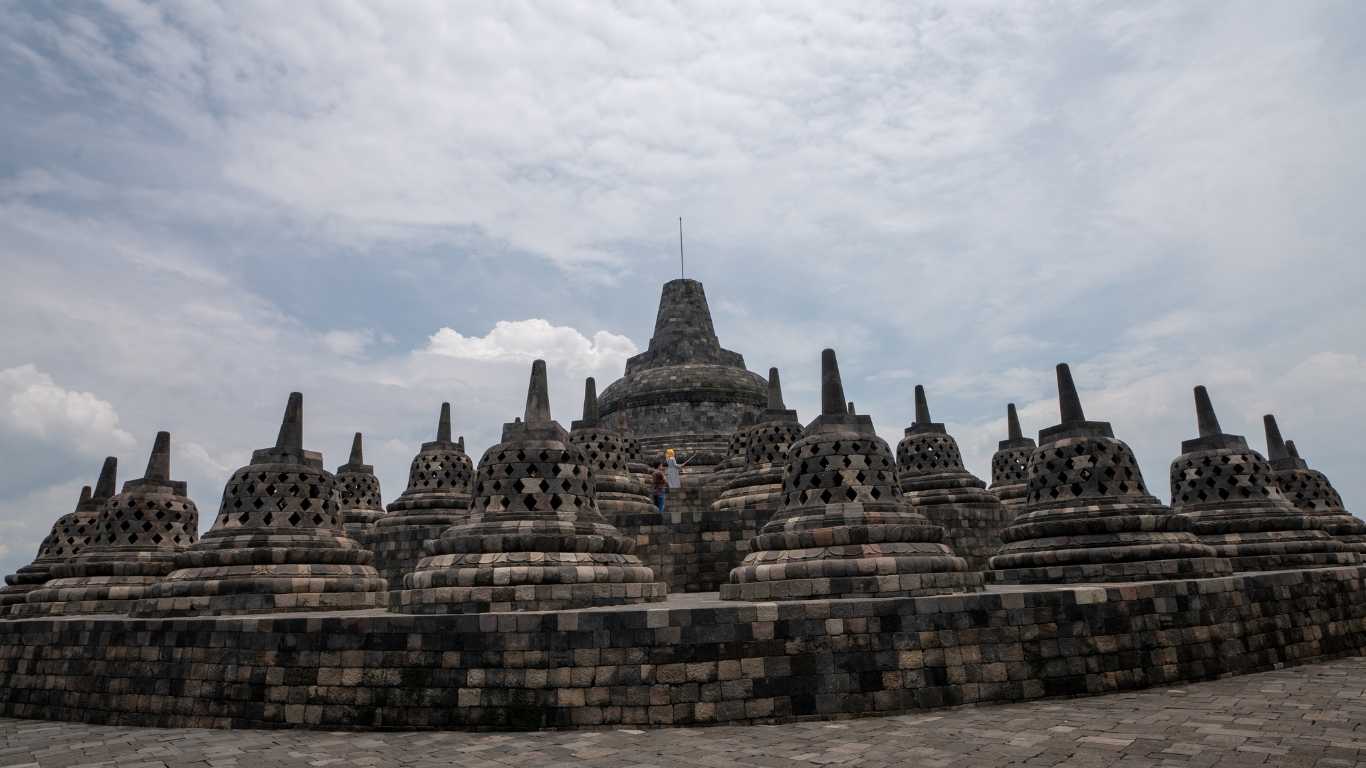
Borobudur stands as the largest Buddhist monument in the world and remains a major reason people visit Yogyakarta. The temple dates back to the ninth century and reflects advanced architectural knowledge. UNESCO recognizes Borobudur as a World Heritage Site due to its historical value.
Visitors usually arrive early to avoid crowds and heat. Sunrise visits allow clearer views of the surrounding hills and villages. According to UNESCO documentation, Borobudur features more than 2,600 relief panels depicting Buddhist teachings.
Many travelers pair Borobudur with nearby Mendut and Pawon temples. This route provides context about ritual alignments and ancient pilgrimage paths.
Prambanan represents the largest Hindu temple complex in Indonesia. The site highlights the Ramayana epic through detailed stone carvings. Three main towers honor Shiva, Vishnu, and Brahma.
Evening visits attract visitors who enjoy open-air performances. The Ramayana Ballet often takes place with the temple as a backdrop. Cultural researchers from Indonesia’s Ministry of Education note Prambanan as a center of Hindu-Javanese civilization.
Access from Yogyakarta city remains easy through taxis or local transport. Most visitors spend two to three hours exploring the complex.
Mount Merapi ranks among the most active volcanoes in Southeast Asia. Guided lava tours bring visitors close to past eruption sites using off-road vehicles. These routes show damaged villages and geological formations.
Safety remains a priority during these tours. Licensed drivers follow routes approved by local authorities. Geological data from Indonesia’s Center for Volcanology helps guide restricted areas.
Morning tours offer better visibility and cooler temperatures. Travelers often combine Merapi visits with nearby museums.
Malioboro Street reflects Yogyakarta’s daily rhythm. Vendors sell batik, handicrafts, and street food throughout the day. The street connects the Sultan’s Palace with public spaces.
Shoppers find traditional snacks like bakpia and local coffee. Cultural observers describe Malioboro as a social meeting point rather than only a shopping area. Bargaining remains common and expected.
Evening hours bring street musicians and food stalls. Visitors who want to combine Malioboro with nearby attractions often research where to book tours in Yogyakarta: the best options for travelers before planning the rest of their itinerary.
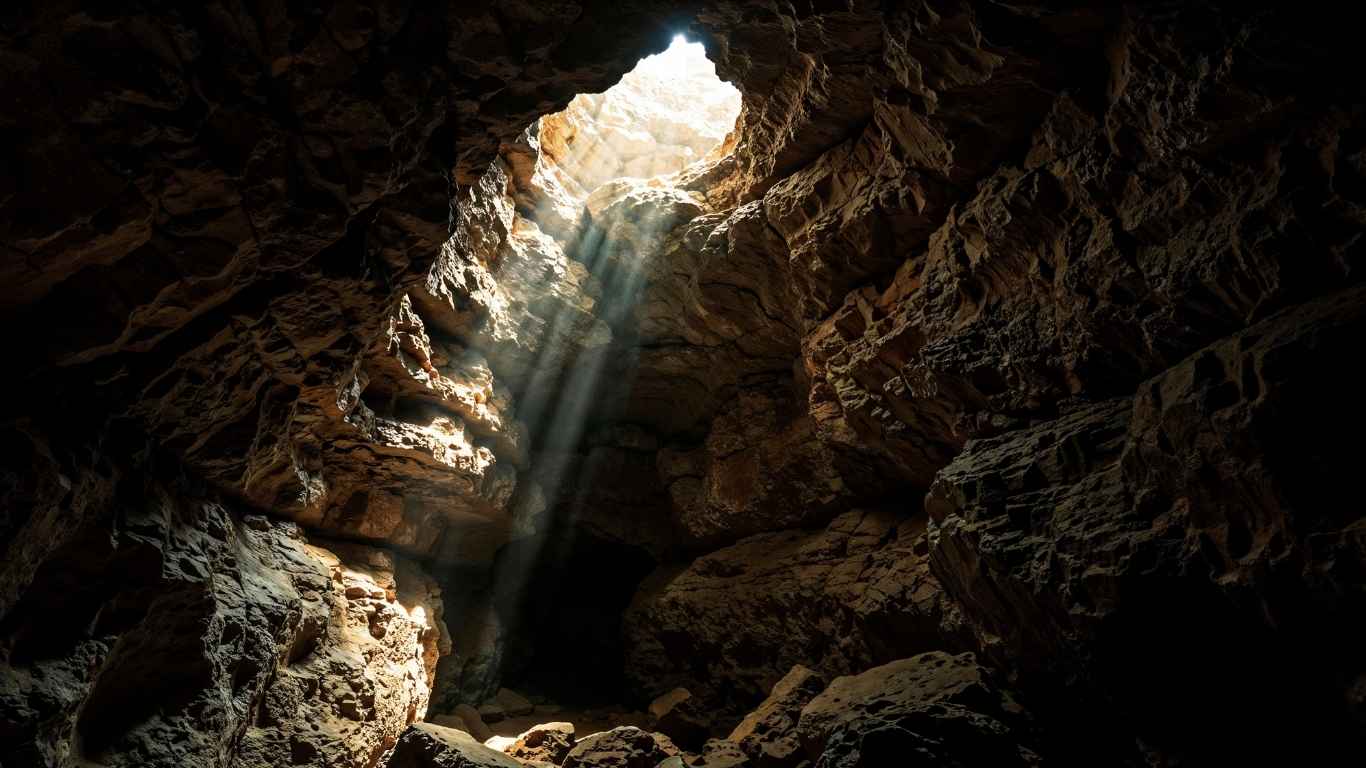
Jomblang Cave attracts adventure seekers interested in vertical caving. Visitors descend by rope into a collapsed sinkhole. Sunlight entering the cave creates a dramatic light column.
Access requires guided entry due to safety rules. Local operators limit daily visitor numbers. Speleology studies classify Jomblang as a vertical cave with unique vegetation zones.
Travelers should prepare for muddy conditions. Tours usually include safety equipment and lunch.
Pindul Cave offers a calmer underground experience. Visitors float through the cave on inflatable tubes. The current remains gentle and suitable for families.
Natural light filters through cave openings, creating clear reflections. Local tourism boards highlight Pindul as a community-managed attraction. Safety helmets and life vests come standard.
Most tours last about one hour. Visitors often combine Pindul with nearby rivers.
Timang Beach sits on Yogyakarta’s southern coast. A manual gondola connects the cliff to a rocky island. Fishermen originally used the gondola to reach lobster traps.
Strong waves dominate the shoreline. Geological surveys identify the area as part of the Indian Ocean fault zone. Safety staff control crossings based on the weather.
Travelers should expect a long drive from the city. Early departures help avoid afternoon crowds.
Yogyakarta offers more than temples. Its surrounding region connects history, nature, and everyday life into a single travel experience. Flexible planning allows visitors to explore at their own pace.
Travelers who want a deeper understanding benefit from guided routes. Structured itineraries reduce transit time and increase safety. Many visitors choose organized journeys such as the Yogyakarta 5 Days Tour to balance exploration and comfort.


